
I’m excited about writing this article, because I could come up with at least 60 mistakes I’ve made in my acrylic pouring journey. Such an easy topic for me to write about! But honestly, I’m a little nervous to write about mistakes. It’s a negative topic, and I really don’t want to discourage anyone who is excitedly plowing ahead with pouring, giving very little thought to mistakes they might be making.
I can still VIVIDLY remember my 35-year-old daughter telling me—when she was only in elementary school—“Mom, why can’t you just let me make my own mistakes so I can learn from them?” Ugh—stab to the heart.


So, reader, you have been warned: I’m going to tell you what “not” to do.
NUMBER 10… (Yes, I’m doing them in reverse—calm down, you’ll be okay.)
10. Pouring for the money
Don’t get me wrong, you can make some money selling your paintings and/or other items you make, like Christmas ornaments, jewelry, and furniture. AND GOOD FOR YOU IF YOU CAN SUPPORT YOURSELF DOING ART!
But let’s be honest, unless you are a great salesperson, good at marketing your products, and, in some cases, technologically savvy, it can be a tough way to earn an income. Just remember two things:
-
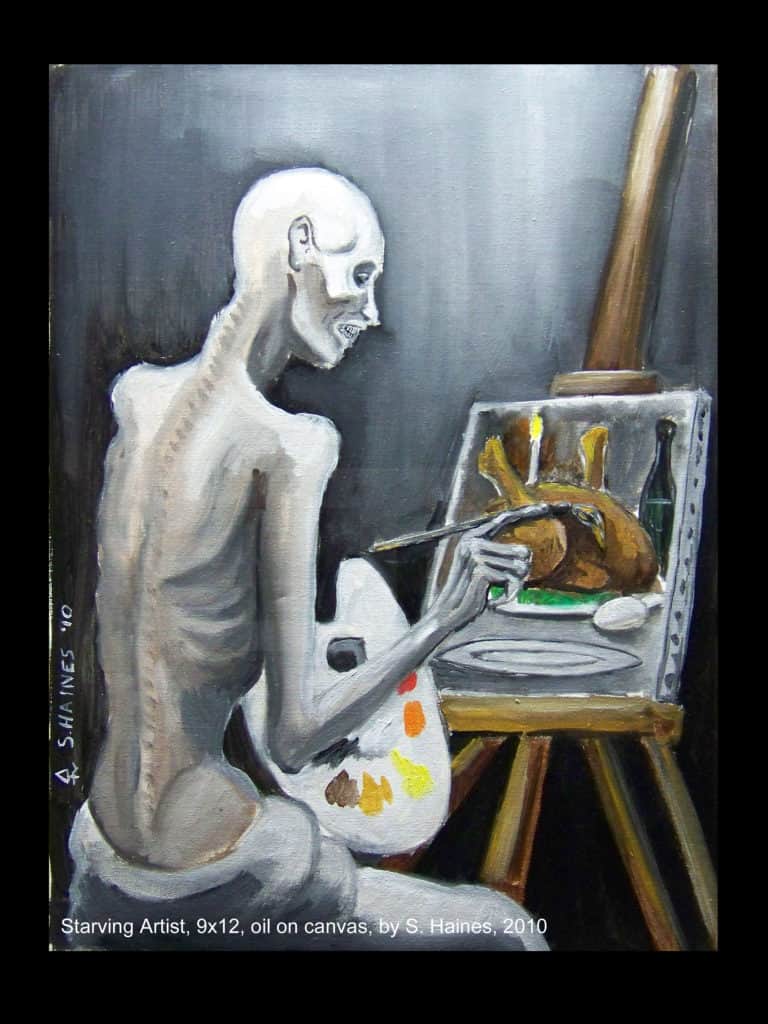
- There is a legitimate reason the phrase “starving artist” was coined.
-
- Don’t quit your day job. At least not yet.
On a side note, to complement your Acrylic Pours, I highly recommend using a Cricut Machine (my personal favourite is the Explore Air 2 machine) to design and print yourself beautiful crafts on all sort of supports. Check it out here! Now back to mistake number 9.
9. Not having all the necessary supplies ready before you begin
Now, this may seem obvious to some of you, but you’d be surprised how many people just race to their local craft store and buy four tubes of their favorite colors plus a couple of canvases and run back home to begin throwing paint together in a cup and dumping it on the canvas, expecting brilliant works of art.
Unless you are a savant artist, it takes some time to achieve this level of success. It is very important to get your supplies ready and have everything you need before you begin pouring…IF you want to have decent looking results. See my pouring supplies guide for help in getting ready to pour.
8. Not doing your research
It’s easy to join a Facebook group like Acrylic Pouring and watch all the pretty pictures enter your feed every day, giving you the encouragement to jump right in. The mistake you are making is seeing the beautiful pour and immediately asking, “How did you do that?”
The very first thing you should be doing is going to YouTube to look at the (LITERALLY) tens of thousands of videos showing you EXACTLY what to do and EXACTLY how they did that. Spend about 10 hours (minimum) looking at “how to” videos before you go directly to Facebook groups and ask folks how they did that. I guarantee you that EVERY single question you have will be answered by watching these videos. AcrylicPouring.com is, of course, the best place to start and specifically I’d start with these free articles:
Acrylic Pouring Overview, Tutorial, and How To
If you want to condense the research time and really just get started with what works best then I’d consider getting our ebook or our video course.
I can also highly recommend:
Myriam’s Nature
Ann Osborne
Odeta Dixon
Suave Arts
I recommend these sites in particular because this is how I learned how to pour. If you reference my earlier article, “Confessions of a Pouraholic“, you’ll see my other list of “go-to” artists I learned from.
7. Posting your first (or second) effort on Facebook looking for praise, only to hear… crickets
I know you had fun, and you are so amazed at what you created, but you need to trust me when I say that unless you are naturally talented and/or already a professional artist—it probably looks uh, ummm…not so good. It is so exciting to join the group and post your new baby, but we all know why you did it. The same reason we ALL DID IT. We wanted someone, lots of someones, to tell us we had just created the most magnificent piece of art the world has ever known.
But why not wait until you’ve done two more? Ten more? Ok, more like 25 more. You’ll look back on that first one with complete embarrassment and hope you discover some way to get rid of it.
It’s comforting to get “Likes” on Facebook and to have 30 of your best friends (whom you’ve never met) tell you that you are a genius. I know—I search for that kind of true connection to my fellow humans, too. But, it is so much more gratifying when the compliments are deserving.
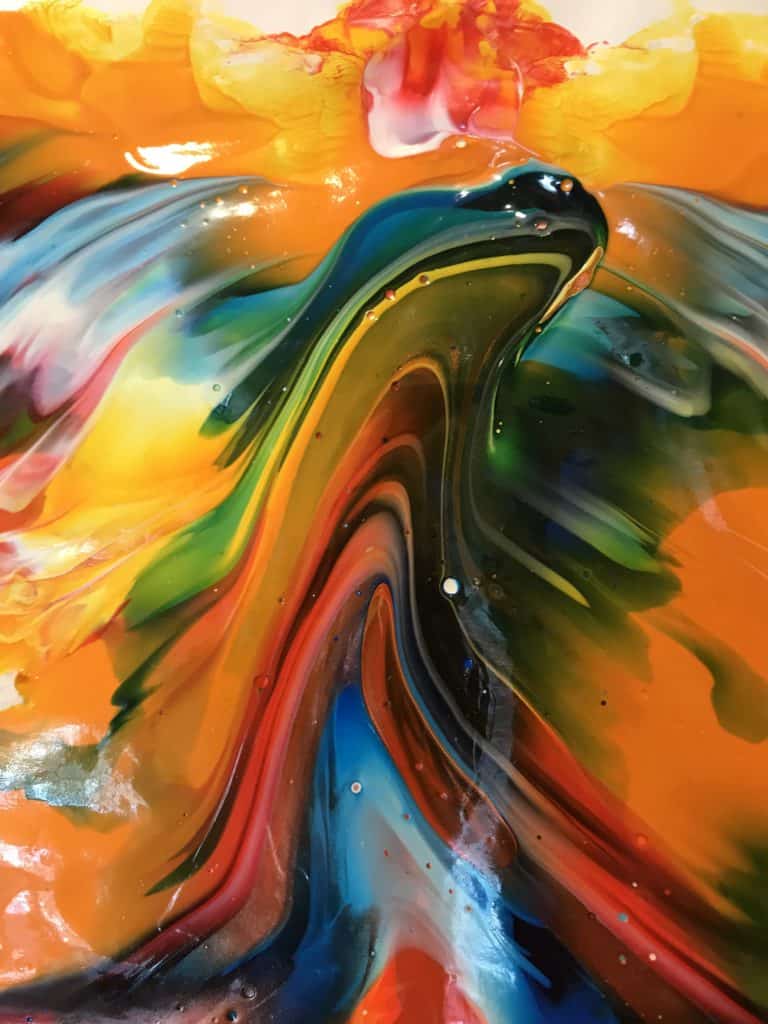
Give yourself some time to get better (not perfect), and I promise you you’ll get your reward and it will be genuine. Perfect example is this beautiful pour by Mr. Mika Kunert. Everything this gentleman posts is a true work of art. Every compliment he receives is heartfelt. Check out his work.
6. Rushing
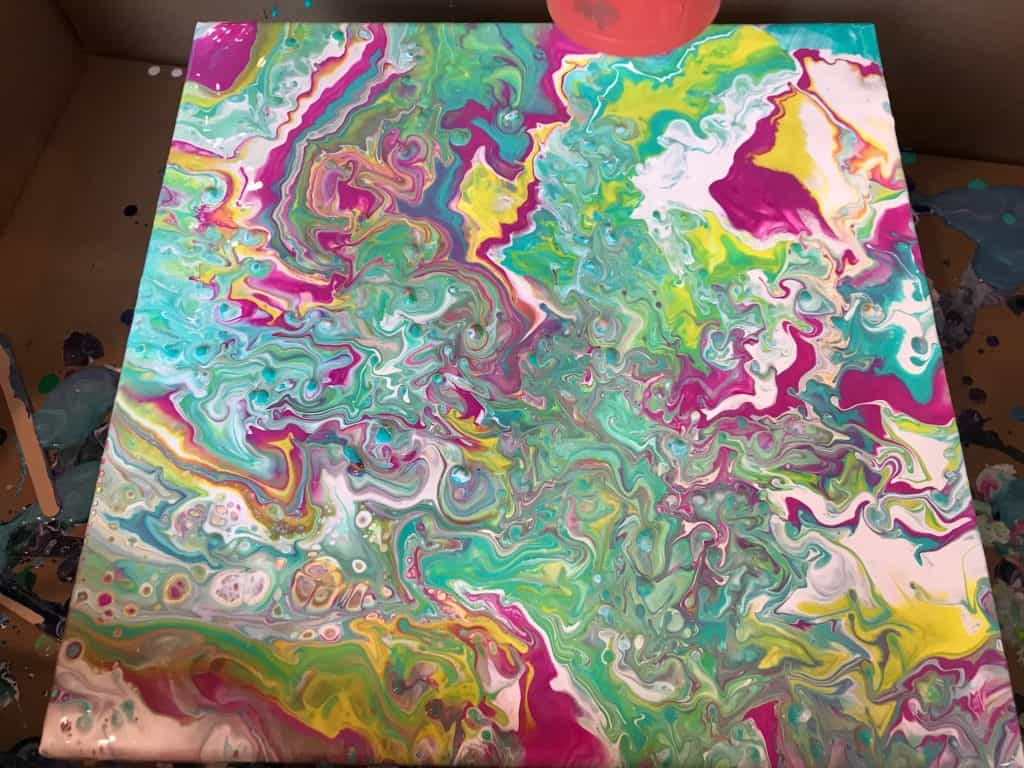
This encompasses everything from mixing the paints too fast and/or not enough, and not allowing the paint and pouring medium to get to know one another (as my daughter says, “to percolate”). This is not a sprint; it is a marathon.
The longer you take to mix your paint and the longer you take to decide what type of pour to do, the better the outcome. This is an incredibly meditative hobby, if you allow it to be. Enjoy selecting your color palette. Enjoy mixing your paints. Enjoy the actual pour. Enjoy tilting your canvas. Enjoy the act of creating something unique, one-of-a kind, NEVER TO BE DUPLICATED.
Now for the hard part. Take your gloves off and leave it alone. There is still so much happening, but this is part of the fun. Watch your cells develop and the colors run together. It is incredibly relaxing.
Now, this video you are about to watch was taken on the first day my daughter taught me how to pour. This was number four. (I believe we cranked out 10 that day.)
Note: No apron, no gloves (bad girl), with my grandkids and 4-year-old (other) daughter making all kinds of racket in the background. Stuff everywhere, in a rented summer house. We didn’t have a clue what we were doing, and we wasted A LOT of paint.
Now I paint when I’m alone, in my own home, with NO distractions. I don’t even like music playing. I take my time and zone out. I SLOW DOWN.
5. Not getting familiar with the color wheel
I would wager that very few of us here have a degree in art history or have studied basic color theory. Fear not; there is help for those who are not naturally in tune with their inner color palette. If you have ABSOLUTELY no clue what I’m talking about, it is this:
Which colors go well together, and which do not?
It’s great to say your favorite color is maroon, but if you pair it with brown, all you achieve is a very unattractive pour. These two colors are too close in the color wheel and do not complement one another—they repel. Watching, studying, and becoming comfortable with the color wheel will be extremely handy as you learn how to pour.
Here’s a simple video to get you started:
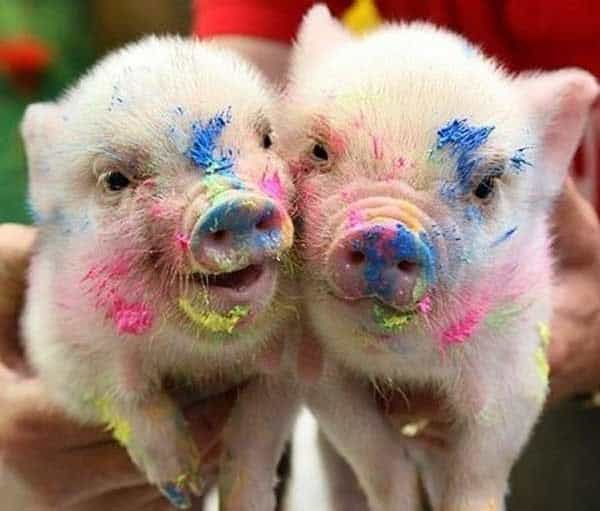
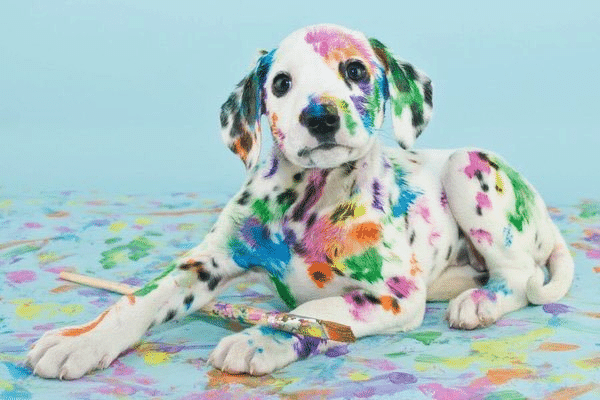
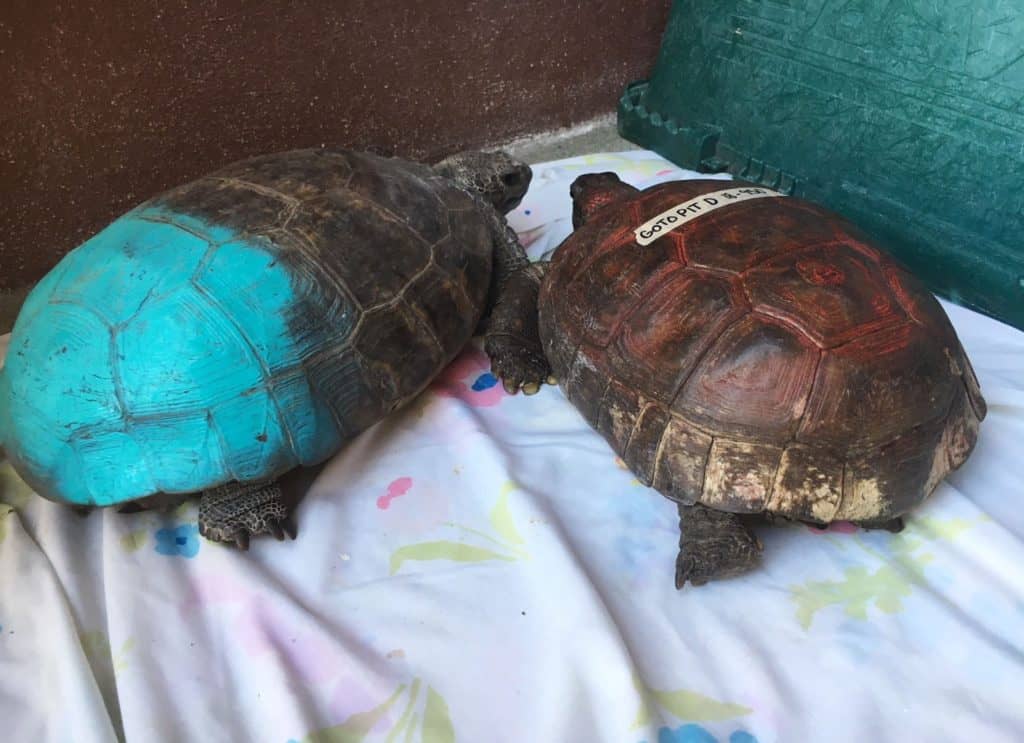
4. Not removing pets from your work area
I see countless posts on Facebook about animals who have ruined a favorite pour by walking on it, running through it, placing a paw on it, or shedding their fur all over the place. I think this mistake speaks for itself.
3. Expecting professional artist results on the first pour
I don’t really know how to elaborate on this one because…well…it’s just silly. Like everything in life, it takes time, effort, and persistence to become good at acrylic pouring. It takes dedication, passion, and drive to become great. Give yourself a break. Enjoy the time you are learning and improving.
2. Not protecting your possessions
I don’t care how careful you are or how neat you think you will be, you are going to get paint on something. If you are like most of us, you are going to get paint on EVERYTHING.
Before I began wearing gloves all the time, I was ruining my skin and cuticles in particular. Paint was stuck under my nails and I had to cut them down to remove it. Of course all my clothes have paint on them, and no, it doesn’t come out.
It’s on my chair, my desk, the floor mat, the carpet, the baseboard, my computer, my cell phone, the wall. Is there any place that it’s not on? It’s on the linoleum in my bathroom, on the porcelain of my sink. My husband showed me a work shoe of his that had a big yellow splotch on it. Yikes! This is obviously THE biggest mistake acrylic pourers make. Well, THIS pourer at least.
1. Not starting because you are:
- Afraid
- Too old
- Messy
- Too sick
- Working
- Too tired
- Living in a small space
- A pet owner
- “Not an artist”
Get out there and pour! You can do it. And you WILL get better. I promise.
I hope this has been informative and given you some good tips to prevent unnecessary mistakes. As always, don’t hesitate to let me know your thoughts and share your own mistakes. I love how we all connect in some way.
Happy Pouring.

Born in France, Patricia now calls Palm Coast, Florida, home, where she runs Oceans Apart Studios. She’s had the pleasure of raising two daughters and nineteen medical foster children. Now she specializes in watercolor, acrylic pouring, and custom jewelry taken from the run off of her paintings. Her pieces aim to capture the differences that make each woman uniquely beautiful. Check them out on Etsy.