
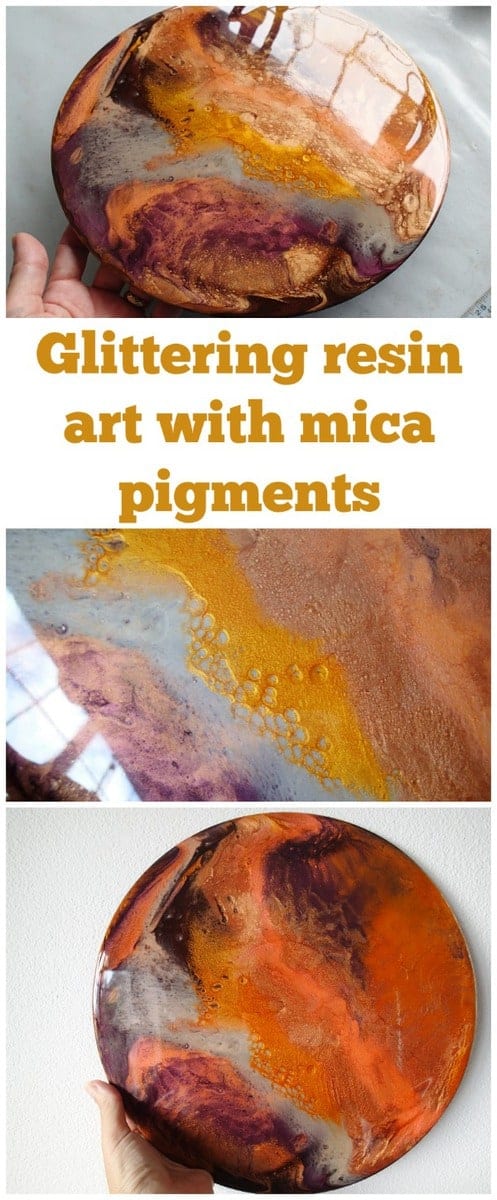
My first attempt at using resin to create a resin ‘painting’ wasn’t altogether successful due to my choice of paints, so today I am trying something new with a different way of coloring my resin. I will be using mica pigments left over from the days when I used to make soaps and cosmetics. Let’s see how they get on when mixed with resin to create art.
In this video I go over a simple resin technique as mainly an acrylic pouring artist. If you’re interested in improving your overall resin skills and learning some new techniques I recommend Ann Upton’s Resin Course. She’s a resin expert and has put together this course to teach beginners the basics, and the more advanced some of her specific techniques she uses to create incredible beach scenes. She also has an option to bundle the resin supplies she uses in a resin kit that makes it easy to follow along and know you’re using exactly what she is.
These old micas have really lovely colors, although I don’t have a massive range of colors, but there are a lot of nice metallics and lots of them have very pretty sparkle to them. They don’t cost me anything and are just sat there not being used so it makes sense to try to keep costs down when learning and experimenting.
Materials used in this project:
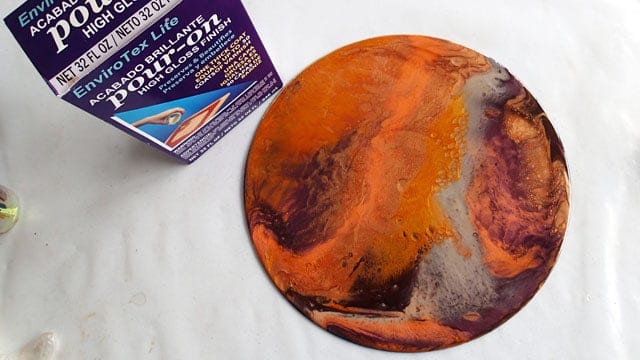
EnviroTex Lite resin
12 inch LP record
Random old spray paints
Soap making mica pigments\
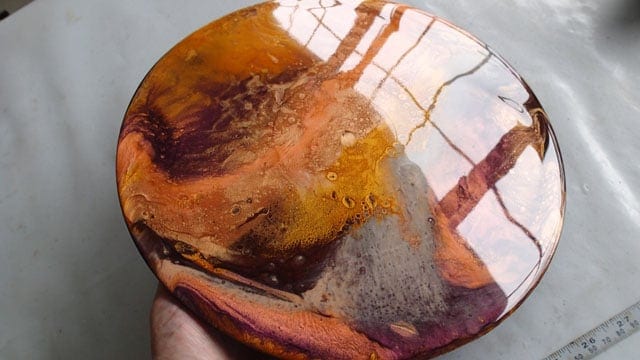
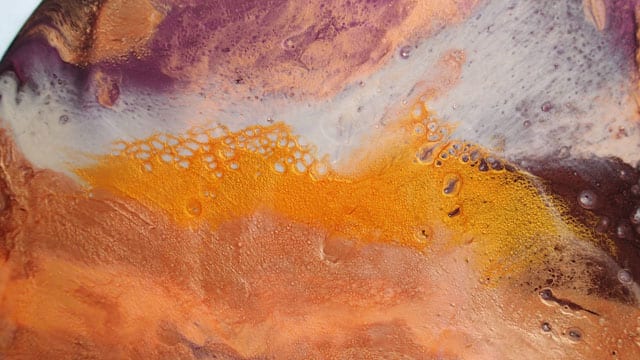
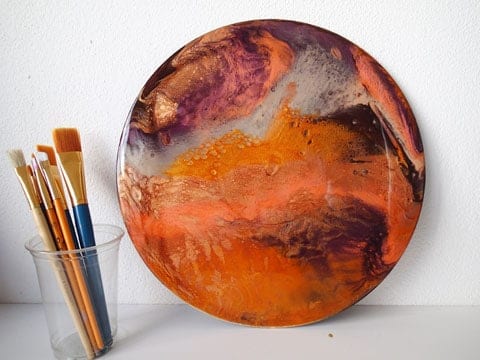
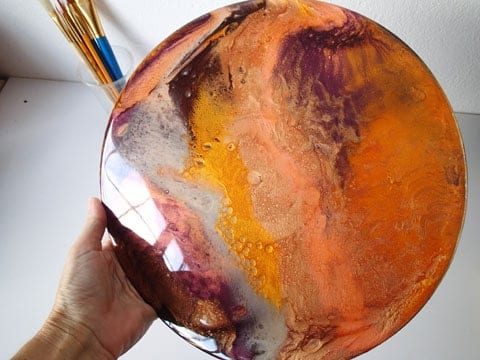
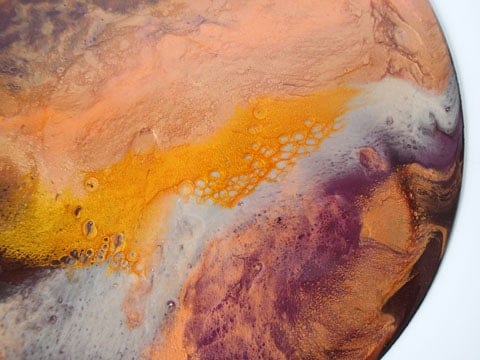
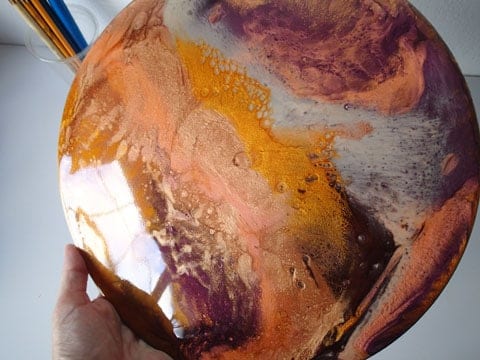
Those micas worked SO well! I was really pleased and I admit a little bit surprised. Just a small amount created very rich color in the resin and it appears to be totally opaque, and naturally very sparkly and shiney. They are a winner for sure – and all for free! I’ll certainly be rummaging through my stash and seeing what other lovely colors I have to work with.
As usual, here is a slideshow of photos for this project, both wet and cured. Doesn’t really look any different when dry than it does when it was first poured. I must have done a good job with the leveling 🙂

After being told in high school that she was so bad at art that she should switch to another subject, Deby didn’t paint again for 35 years. Then a stroke released a new wave of creativity and she began exploring with dot painting, abstract and eventually acrylic pouring, and at last the joy of working with color returned. You don’t need ‘talent’ to be an acrylic pouring artist – just enthusiasm, some basic instruction, and a willingness to try, fail and try again. Paint along with her and learn from her many mistakes, and you’ll soon make great art together.