
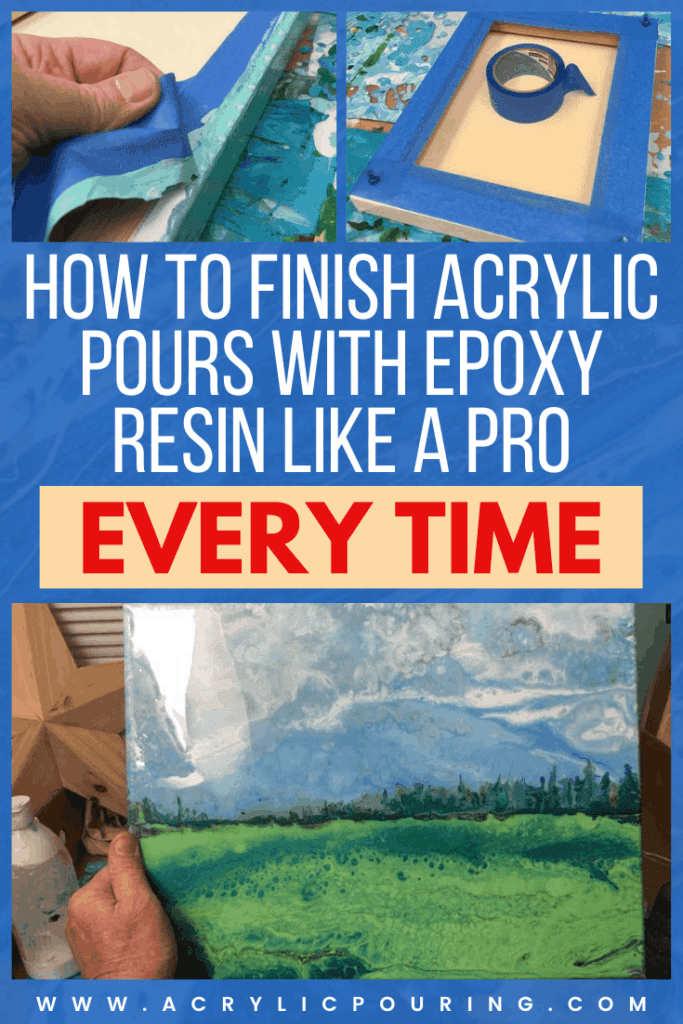
Recently there has been a lot written in the AP blog about using two part epoxy. What is Epoxy Resin Used For in Art? overview describing how resin can be used to create jewelry, coat furniture, seal organic items like dried flowers, and so many other things. Sara Wagner got way more specific when she wrote How to Become a Master of Resin. As an artist who regularly uses two part epoxy to seal his paintings, I have to say Sara’s article was spot on. I believe everything she said and described in her article is true and extremely useful.
Things to Remember About Resin
Words can’t really explain how beautiful a thick, glassy layer of resin can make your paintings look. But wow! What a difference! As I explain in the video, epoxy resin does have a few drawbacks—it’s expensive, smells weird while it dries, and it definitely requires some practice before you get comfortable with it. But if you are curious and want to try something new, read Sara’s article, watch my video, buy a small amount of the stuff and give it a try. It is totally doable.
Supplies I used:
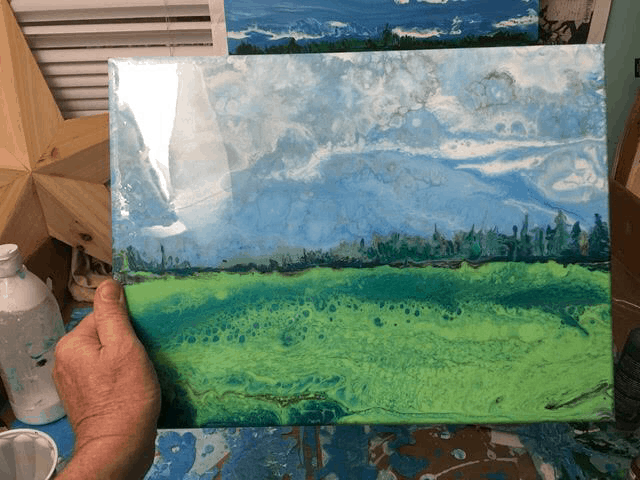
Rather than rehash all the great advice that Sara shared with you, this video is meant to compliment her article. I took one of the paintings from the Pouring Landscapes Series that I recently created for AcrylicPouring.com and made a video explaining step-by-step, how I seal my paintings using two part epoxy. This video will give you the visual reference you may need to fully understand how to seal your artwork with epoxy resin. I may do a few things differently than Sara but overall I think this is great video to watch after you read her article.
A Personal Touch
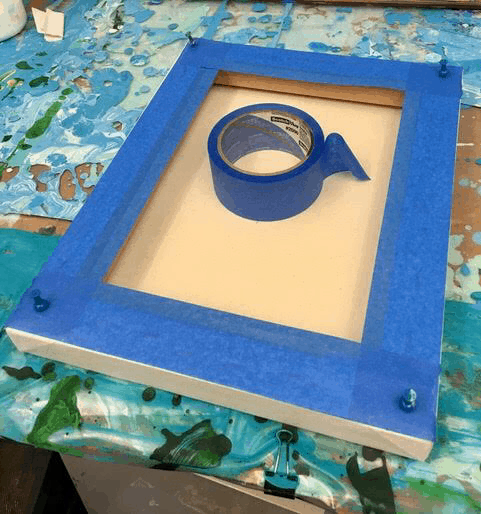
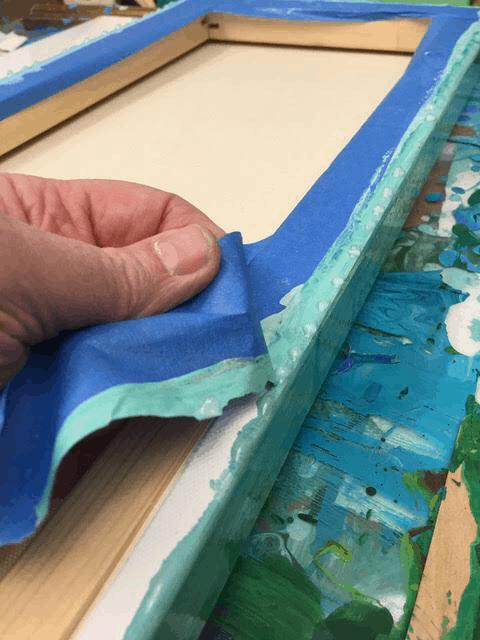
One extra thing that I like to do before mixing up the resin is tape off the back of my canvas. Blue painters tape will prevent epoxy “drips” from sticking to the underside of the canvas. When you remove the tape— usually 10-12 hours after the resin was poured—the drips will come off with the tape. This leaves the back of your canvas looking smooth and professional.
Putting painters tape on the back of your canvas will make it easy to remove the epoxy ‘drips’ that form after you brush on the epoxy.
Removing the tape will also remove the epoxy drips.
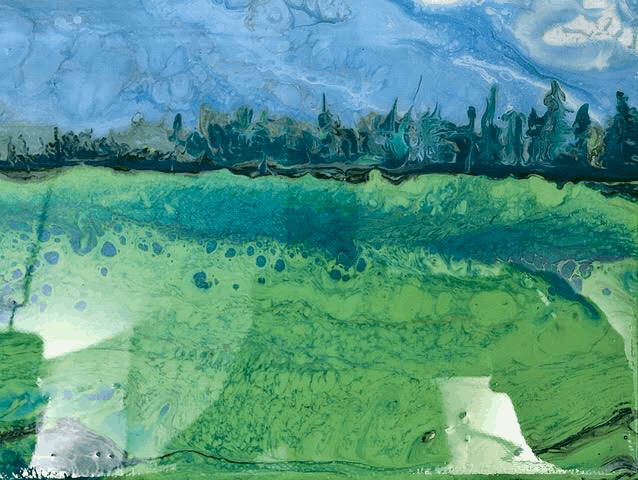
Two part epoxy can give your paintings a depth and shine that simply isn’t attainable using regular sprays or brush-on sealants.

Steve Shaw is an artist and teacher living in Atlanta, Georgia. His days are spent in the classroom teaching his students the basics of art and self-expression. In the evenings and weekends, he paints. Steve has shown his work in several galleries in the Southeast and has illustrated three children’s books. Recently Steve has discovered acrylic pour painting and is putting all his other projects on hold while he journeys down this artistic road.
To see more, follow him on Instagram, visit his website, watch his videos on his YouTube Channel and purchase his paintings at Etsy.com.